I Tried Pulsetto FIT for 60 Days — Here's My Honest Review (2026)
I was skeptical. I'd already spent money on supplements, meditation apps, and breathwork courses that promised to fix my stress. Here's what actually happened when I gave a vagus nerve stimulator a real shot.
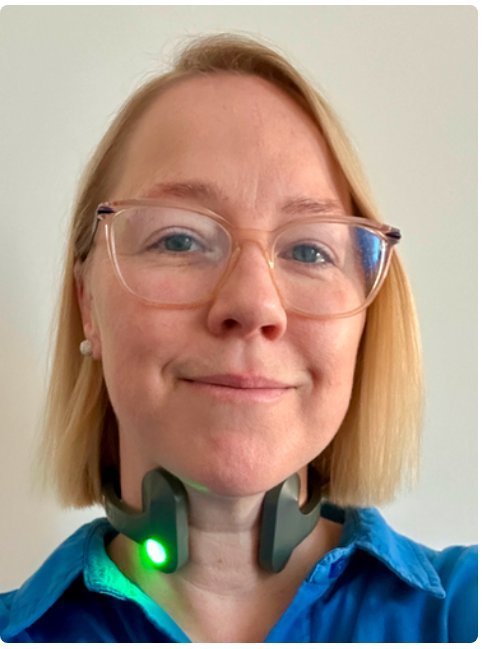
Wearing the Pulsetto FIT during a morning session at my desk.
📋 In This Review
Why I Decided to Try Pulsetto FIT
For years, I convinced myself that stress was just part of modern life. Long workdays, a phone that never stopped buzzing, poor sleep, and that constant feeling of being "on" — tight chest, shallow breathing, a mind that refused to shut off at night. I wasn't having panic attacks. But I was exhausted in a way that eight hours of sleep couldn't fix.
I tried everything reasonable: meditation apps, magnesium, cutting caffeine, journaling, therapy. Some things helped a little. But my body kept reacting to stress as if I were actually in danger. The calming tricks worked in the moment but never changed the underlying pattern.
That realization led me down a rabbit hole about the vagus nerve and the parasympathetic nervous system. I kept reading about vagus nerve stimulation (VNS) — how it's used in clinical settings for epilepsy and depression, and how consumer devices now make a gentler version of it accessible at home. That's when I found Pulsetto FIT.
I didn't buy it expecting a miracle. I bought it because it was the first thing in a long time that felt grounded in actual science rather than wellness marketing. The 30-day return policy helped too — worst case, I'd send it back.
I kept it. And used it for 60 days. Here's everything I learned.
What Is Pulsetto FIT, Exactly?
Pulsetto FIT is a wearable neck device that delivers gentle electrical pulses to stimulate the vagus nerve — a major nerve that runs from the brain through the neck and down to most of your organs. It's the nerve responsible for your "rest and digest" response, basically the opposite of stress.
When you're chronically stressed, this nerve becomes underactive. Your body can't easily switch gears. Pulsetto's idea is simple: nudge the vagus nerve with low-level electrical stimulation, and help your body remember what calm feels like.
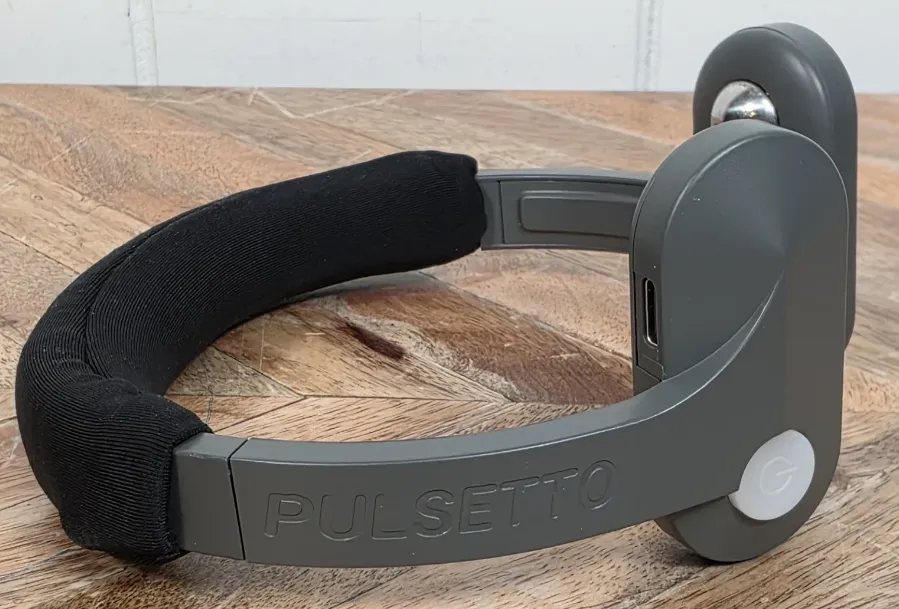
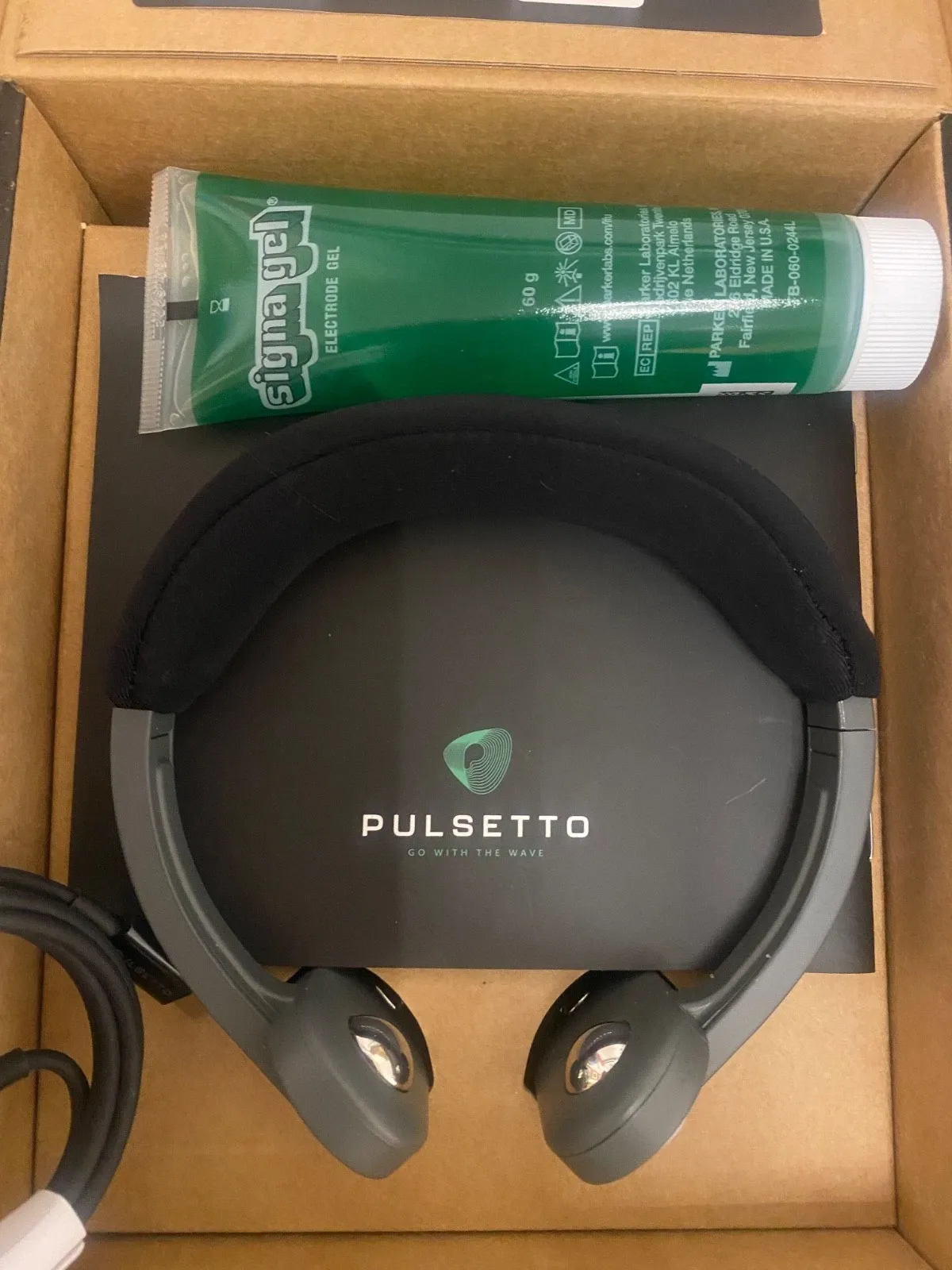
⚡ Sessions last 4–10 minutes. You apply a small amount of conductive gel to your neck, place the device, connect it to the free app, and choose a program. That's it. It's genuinely one of the easiest things I've ever added to a routine.
It pairs with a free app (iOS and Android) that has 5 built-in programs: Stress, Anxiety, Sleep, Burnout, and Pain. Each runs a different stimulation pattern. You control intensity from level 1 to 9.
The device is FCC and CE certified, drug-free, and designed for daily home use — no prescription, no doctor visit needed. It's a wellness tool, not a medical treatment.
My 60-Day Experience — Week by Week
I want to be real with you here. It's not like I put this thing on my neck and suddenly felt zen. It took time. But the progression was consistent enough that I kept going.
Getting used to it
The first session felt genuinely weird — a light buzzing on my neck. Not painful, but unfamiliar. I started at intensity level 3 and worked up to 6 by the end of the week. I didn't feel dramatic effects yet, but after evening sessions I did fall asleep faster. Could be placebo, I told myself. I kept going.
Something starts to shift
By week three I started noticing I was less reactive during stressful moments. A frustrating call that would normally ruin my afternoon felt more containable. I also started waking up less at 3am — something that had plagued me for years. Small change, but significant to me.
Real, undeniable changes
This is where I stopped questioning whether it was working. My sleep tracked better on my watch. My resting heart rate dropped. I noticed that the baseline tension I'd carried in my chest for years had softened. I was doing two sessions a day — morning and before bed — and it had become as automatic as brushing my teeth.
A different baseline
By the end of 60 days, calm felt more like my default than something I had to work for. I still get stressed — that's life — but my body recovers faster instead of staying locked in tension for hours. That's the change that matters most to me.
The Results I Noticed
Pulsetto's own customer data after 14 days of daily use shows some interesting numbers. My experience tracked pretty closely with these.
* Based on Pulsetto's internal customer data. Individual results vary.
Here's what I personally noticed over 60 days:
Lower baseline stress
Stressful situations didn't disappear, but my body stopped treating every one of them as an emergency. I recovered faster — hours instead of all day.
Deeper, more restful sleep
Falling asleep got easier. The 3am wake-ups became rare. I started waking up feeling like I'd actually rested — not just spent time in bed.
Sharper mental clarity
Less background noise in my head made focus easier. I could work longer without that mental fatigue that used to hit mid-afternoon.
Improved HRV (heart rate variability)
My fitness tracker showed a steady improvement in HRV over several weeks — a reliable indicator of nervous system resilience.
Less emotional reactivity
I didn't spiral as quickly. Hard conversations felt more manageable. My patience improved — noticeable to people around me, not just to me.
Burnout recovery
The chronic exhaustion I'd been carrying started lifting by week five. I still worked hard, but I no longer felt like I was running on empty every evening.
How to Use It (What I Learned From 60 Days)
The official instructions are straightforward, but here's what I'd tell a friend who just got one:
Apply the gel
Small amount on each side of your neck where you feel your pulse. This is key — skipping gel makes the session much less effective.
Place the device
Sit it snugly around your neck. The electrodes should sit right at those gel points. It takes about 3 sessions to find your sweet spot.
Connect & choose a program
Open the app, pair via Bluetooth, pick your program. I use Stress in the morning and Sleep before bed — that combo works best for me.
Start low, go slow
Start at intensity 2–3. It should feel like a gentle tingling, nothing more. You can increase over sessions. Higher is NOT always better.
Sit back and breathe
4–10 minutes. I pair it with slow breathing which seems to amplify the effect. You can read, watch TV — just avoid high-focus work during the session.
The 5 Programs in the App:
💡 My personal recommendation: use the Stress program in the morning before your day starts, and the Sleep program 30–60 minutes before bed. That combination made the biggest difference for me.
Official Pulsetto FIT tutorial video — worth watching before your first session.
Honest Pros & Cons After 60 Days
I'm not going to pretend it's perfect. Here's my actual take:
✅ What I liked
- Actually worked for my stress and sleep
- Only 4–10 minutes per session — fits any schedule
- Drug-free, no side effects for me
- App is intuitive and kept improving
- Hands-free — I could do other things
- 2-year warranty — unique in this space
- 30-day return policy reduced the risk
- HRV improvement was measurable
❌ What bothered me
- Takes a few weeks of daily use to build up — patience helps
- Small gel step before each session (takes seconds)
- Needs your phone nearby to run the app
- Extra programs available with premium subscription
- Online only — not in physical stores
- Not suitable for people with pacemakers
How It Compares to Other Devices
I researched the main alternatives before buying. Here's a quick side-by-side. These are public prices as of March 2026.
| Feature | 🏆 Pulsetto FIT | Nurosym | TruVaga Plus | Apollo Neuro |
|---|---|---|---|---|
| Price | $296 (was $546) | ~$750+ | $499 | $349 |
| Session length | 4–10 min | 30–60 min | 2 min | 30–60 min |
| Neck placement | ✓ | Ear | ✓ | Wrist/ankle |
| Free app included | ✓ | N/A | ✓ | ✓ |
| 5 programs | ✓ | N/A | ✗ | 7 modes |
| Doctor recommended | ✓ Multiple | ✓ | Limited | Partial |
| 30-day return | ✓ | ✓ | ✓ | ✓ |
| FCC & CE certified | ✓ | ✓ | ✗ | Partial |
* Public data, March 2026. Prices may vary.
Nurosym is the most clinically researched option, but it costs 2.5x more and the ear placement feels less intuitive to me. Apollo Neuro is good but sits on your wrist — the vagus nerve isn't there. TruVaga works similarly but has less software support. Pulsetto's combination of price, app quality, and neck placement made it the obvious choice for me.
Safety — What You Should Know
Pulsetto FIT is FCC and CE certified, emitting ultra-low radiofrequency energy safe for general daily use. I used it daily for 60 days with no issues. The sensation is always adjustable — if it's ever uncomfortable, just lower the intensity.
✅ Generally fine for
Healthy adults managing stress, poor sleep, burnout, or anxiety. People who want a drug-free option and can't or won't meditate for 30 minutes a day.
✅ Side effects
Side effects are rare. Some people get a mild tingling or slight skin sensitivity at the contact points — totally normal and it fades right after the session. No dependency risk.
⚠️ Avoid if you have
Pacemakers or implanted electrical devices, metallic implants near the neck, active pregnancy (check with your doctor), epilepsy, or certain cardiovascular or neurological conditions.
⚠️ Not a medical device
Pulsetto FIT is a wellness tool. It's not intended to diagnose, treat, cure, or prevent any disease. If you have a medical condition, check with your doctor before starting.
2-YEAR WARRANTY
Every Pulsetto FIT is backed by a 2-year warranty — the longest in this category — plus a 30-day money-back guarantee. If it doesn't work for you, you can return it.
Questions I Get Asked About Pulsetto FIT
My Final Verdict
Worth it — if you're consistent
After 60 days, Pulsetto FIT earned a permanent spot in my routine. It didn't make stress disappear, but it changed how my body responds to it. That's a meaningful difference that I felt in my sleep, my focus, my patience, and my energy.
It's not a quick fix. If you use it twice and expect a transformation, you'll be disappointed. But if you commit to it for 3–4 weeks the way I did, the cumulative effect is real and measurable.
At $296 with a 30-day return window and a 2-year warranty, the risk is low enough that it's worth trying if you're stuck in a stress cycle that nothing else has broken.
Medical disclaimer: This article is for informational purposes only. Pulsetto FIT is a wellness device, not a medical treatment. It is not intended to diagnose, treat, cure, or prevent any medical condition. If you have a health condition, consult your doctor before use. Individual results vary. Statements have not been evaluated by the FDA.